
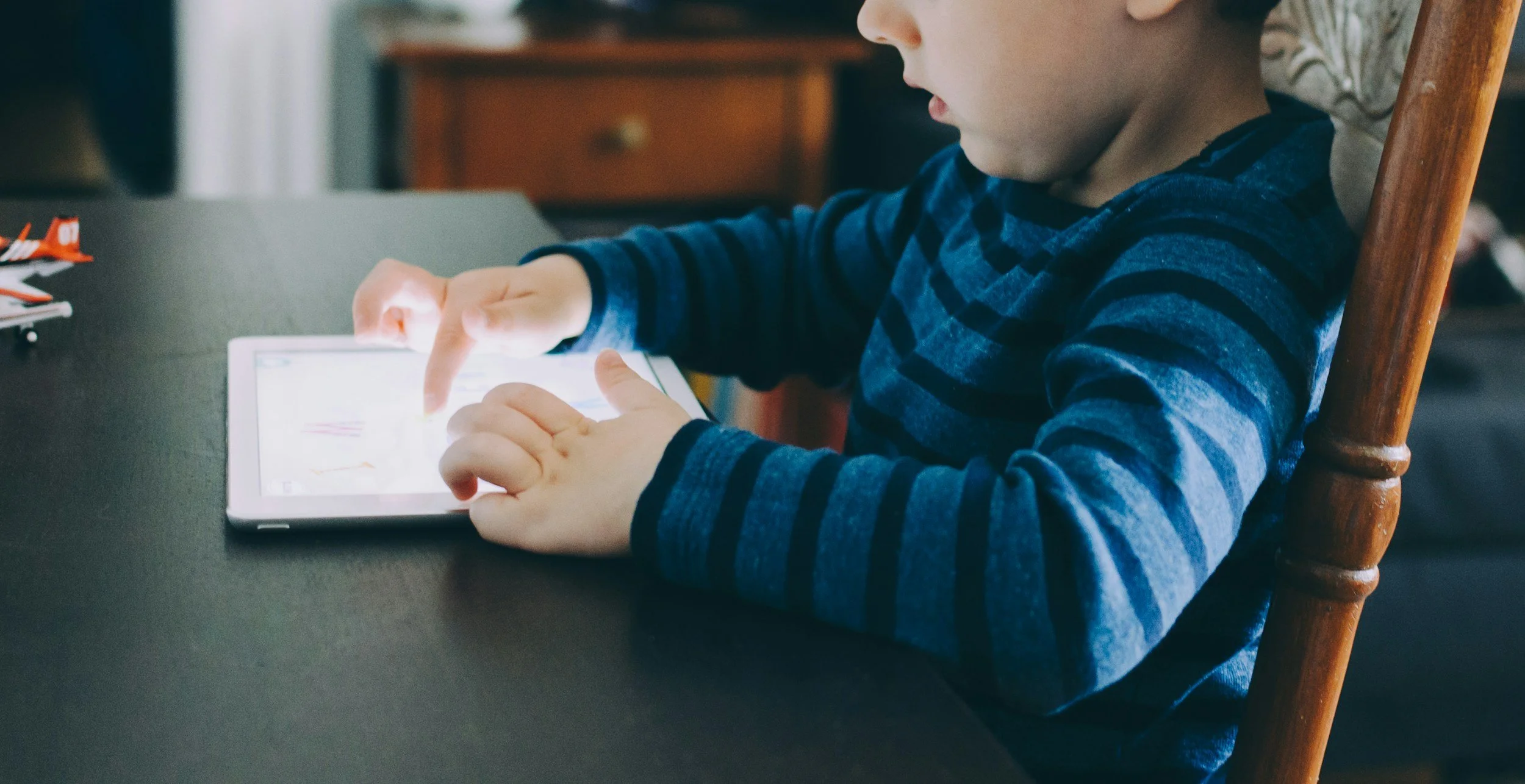


How Social Media Affects Your Mental Health.
Social media is woven into our daily routines, offering meaningful ways to stay connected, share life moments, and find community with others who relate to our experiences. At the same time, constant exposure to curated content, comparison, and endless scrolling can quietly impact our mental health affecting self-esteem, increasing anxiety, and disrupting sleep. By becoming more aware of how social media influences us, we can begin to use it more intentionally and protect our overall well-being.
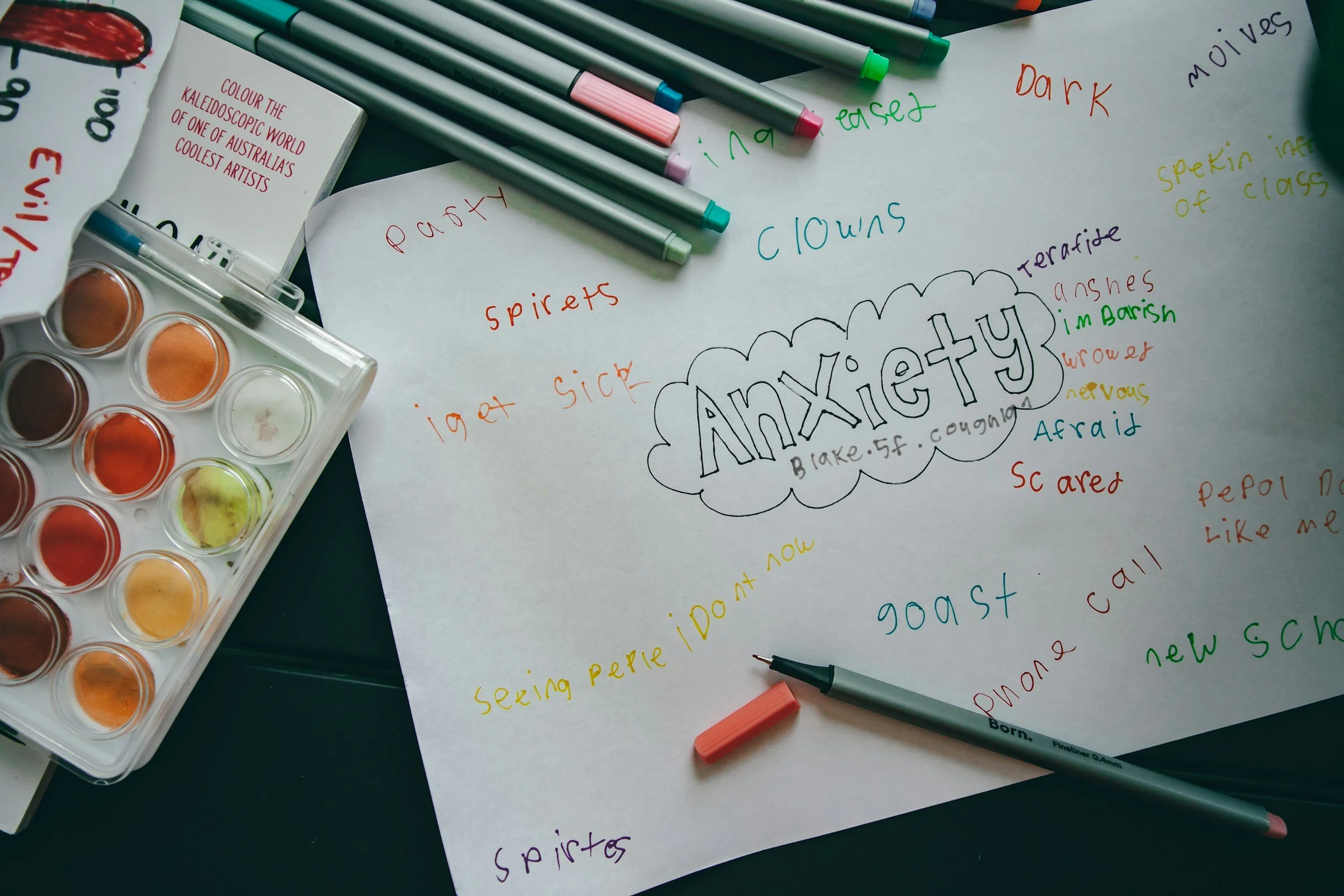
Anxiety in Children
Anxiety in children can be difficult to spot because it often looks like everyday worry at first. When fears become persistent, overwhelming, and start interfering with school, sleep, play, or relationships, it may be a sign they need extra support. With understanding, consistent routines, and simple coping tools, children can learn to manage anxiety and feel more confident in their daily lives.

Coping with failure and disappointment
Failure and disappointment hurt, and ignoring those feelings only makes them linger. Coping comes from resilience, allowing yourself to feel, challenging negative thoughts, and leaning on simple supports like hobbies or movement. With time and self-compassion, failure becomes part of growth, not the end of the story.

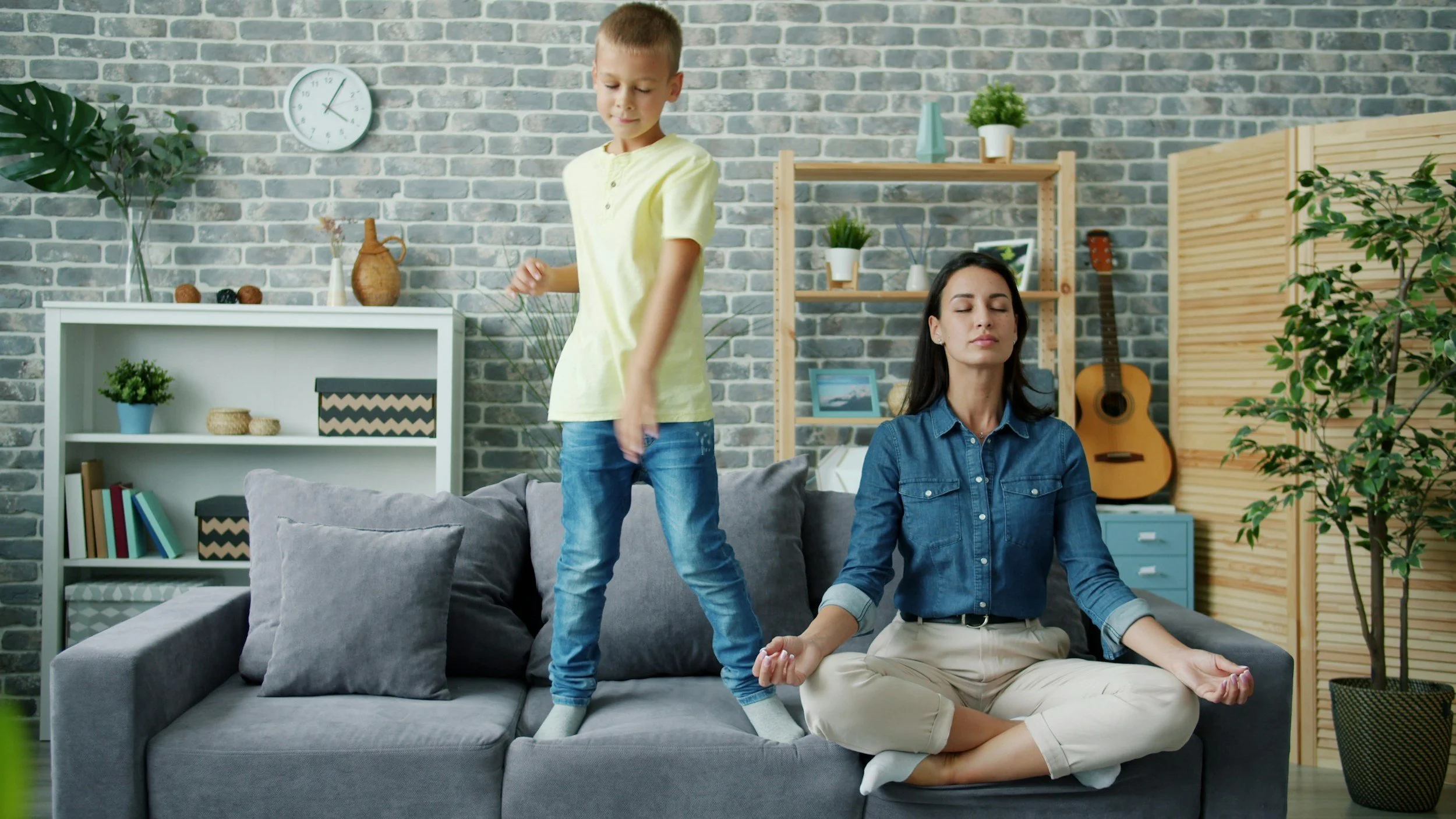

Signs you might be experiencing burn out, and what to do about it!
Burnout has a way of changing the way you talk to yourself. What starts as stress can turn into self-criticism, telling yourself to push harder, do more, or just “get it together.” But what many people in burnout actually need isn’t more pressure, it’s permission. Permission to pause, to feel what they’re feeling, and to acknowledge that something about their current pace or load simply isn’t sustainable.

Understanding and Overcoming Codependency.
Codependency happens when your self-worth depends on pleasing others, putting their needs above your own, or avoiding conflict at all costs. Over time, this can lead to emotional burnout and unbalanced relationships.
Recognizing patterns like people-pleasing, guilt when asserting yourself, or difficulty setting boundaries is the first step toward change. With self-awareness, healthy boundaries, and support—through therapy, self-help, or daily practices—you can reclaim your sense of self and build balanced, fulfilling relationships.

Building A Secure Attachment With Your Child
Children are programmed to form strong emotional bonds with caregivers early on, and the development of their attachment style can develop early childhood relationships into life long perceptions of connectedness and relationships.
Attachment styles impact children in a variety of ways, including social skills, emotional regulation, self-esteem, cognitive growth, behavioral stability, relationship development skills, and conflict resolution skills.


Challenging Behavior Is Communication
Difficult behavior is usually a child’s best attempt to communicate, and not a deliberate attempt to be difficult.
This doesn’t mean the behavior is acceptable, but it does mean it makes sense.
When we reframe behavior as communication, we support the development of sustainable coping and regulation skills. In doing so, we also become more confident, responsive, and connected parents.

Anxiety
How do I know this is more than normal worry?
Anxiety is a natural stress response that helps protect us from danger, but when anxiety becomes chronic or overwhelming, it can interfere with daily life. Anxiety disorders may involve excessive worry, racing thoughts, restlessness, difficulty sleeping, muscle tension, or physical symptoms such as a rapid heartbeat or shortness of breath. Anxiety affects both the mind and the nervous system, meaning it is not “all in your head.” Chronic anxiety can be triggered by trauma, ongoing stress, life transitions, or uncertainty. With proper support and treatment, anxiety can become more manageable, allowing for improved emotional regulation, resilience, and overall well-being.